Introduction

Overview of the Faculty of Business Administration

The Faculty of Business Administration was established based on Decision No. 024/QD-NTT-TC signed by the Rector of Nguyen Tat Thanh University on May 26, 2011. The Faculty currently has 179 staff members, including 176 full-time and visiting lecturers. Specifically:
 
  • Full-time lecturers: 114 lecturers, including 1 Professor, 3 Associate Professors, 25 PhDs, and 85 Masters;
  • Business lecturers: 62 businesspeople, including 2 PhDs and 60 Masters;
  • The Academic Affairs & Secretariat Department has 3 staff members.

The Faculty is divided into 8 departments, including:

– Digital Economics

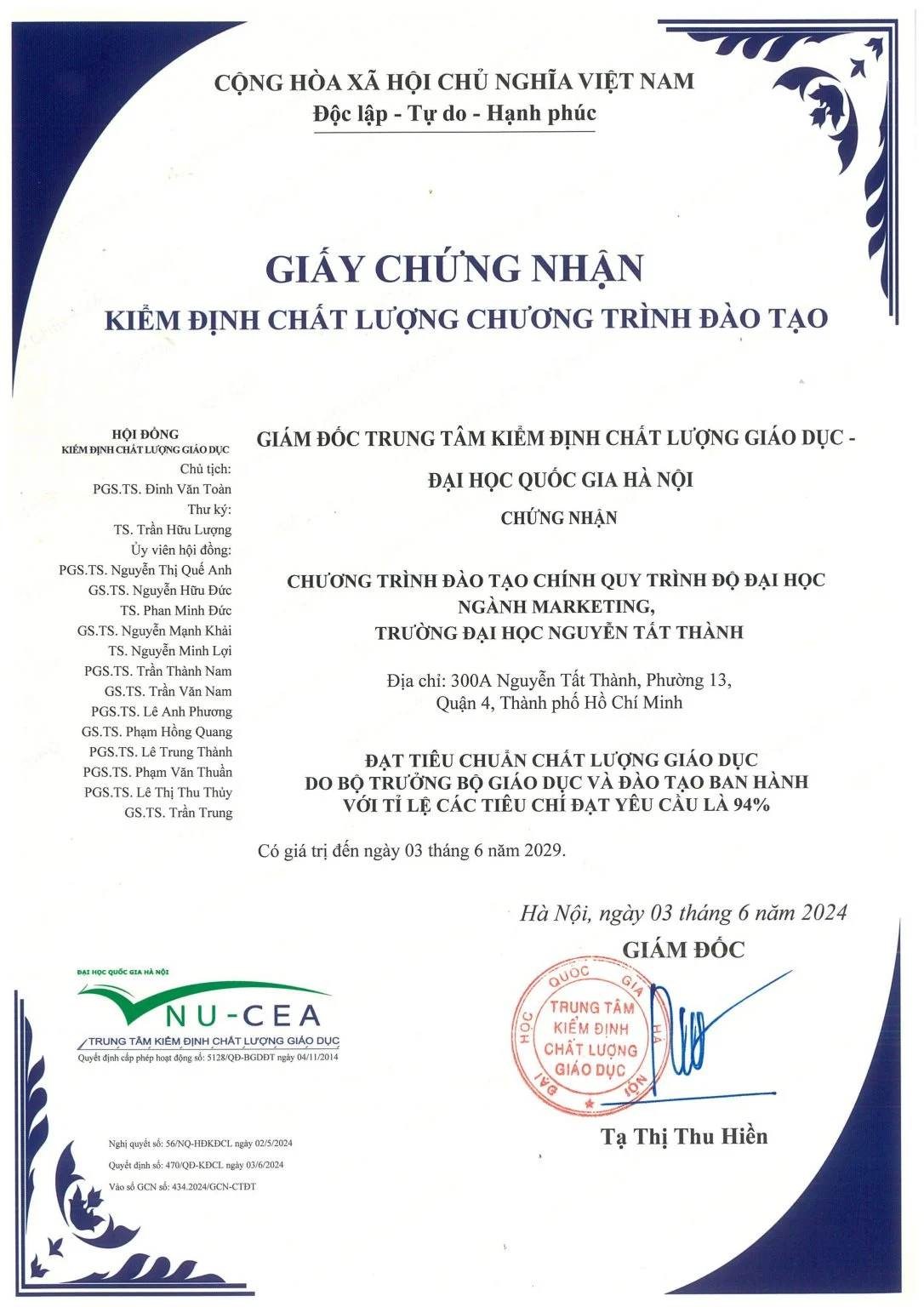
– Marketing

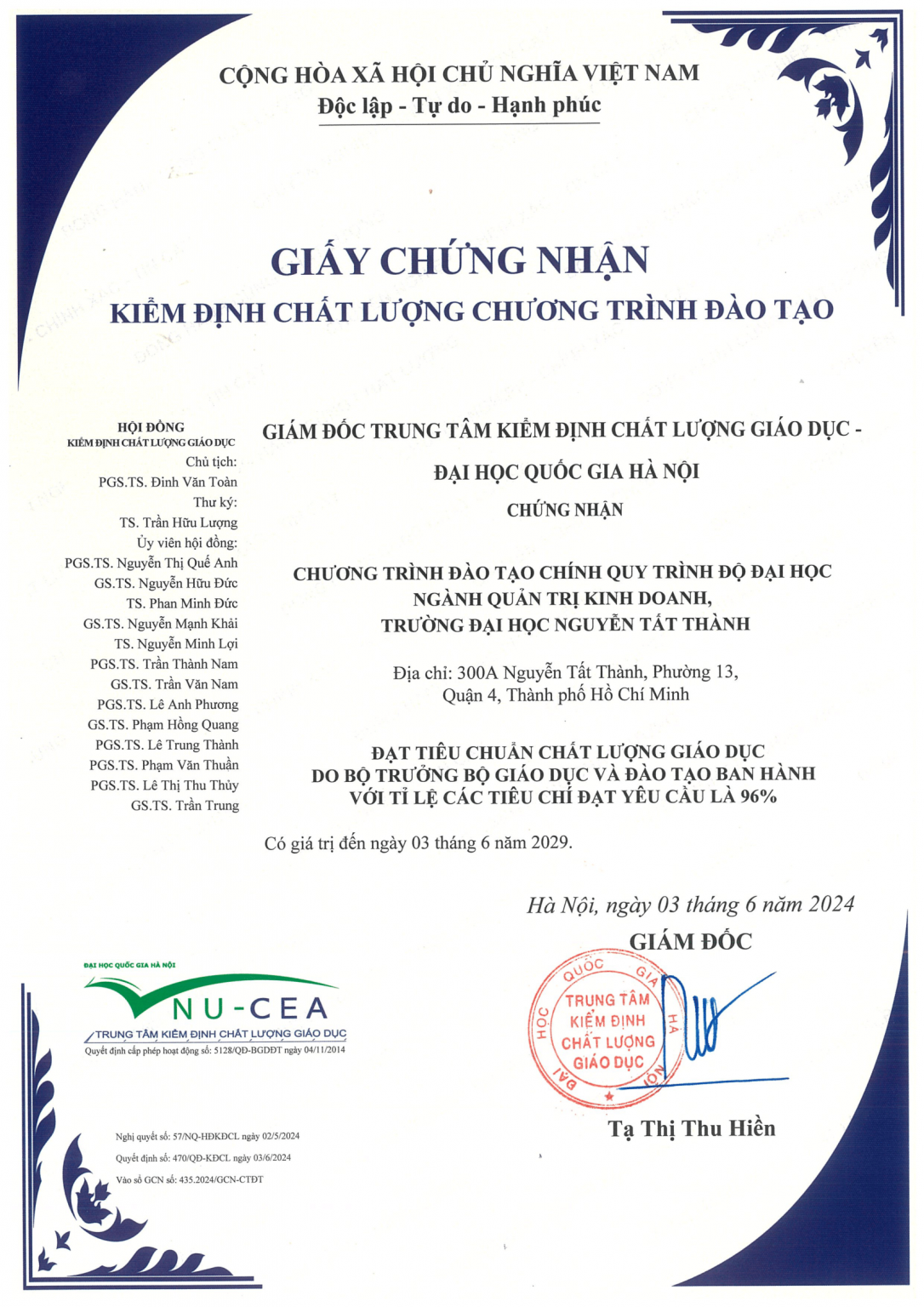
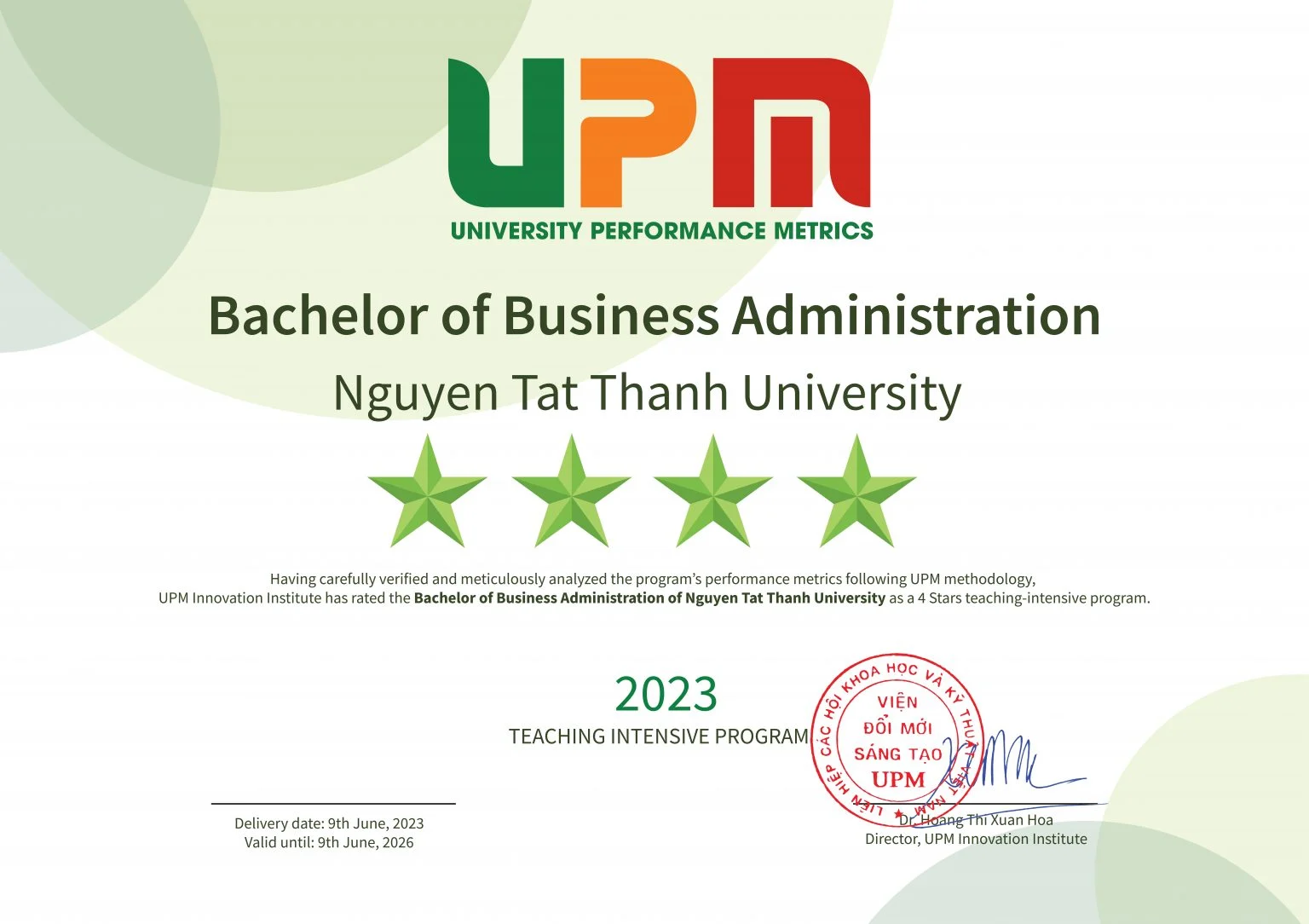
– Business Administration

– Logistics & Supply Chain Management

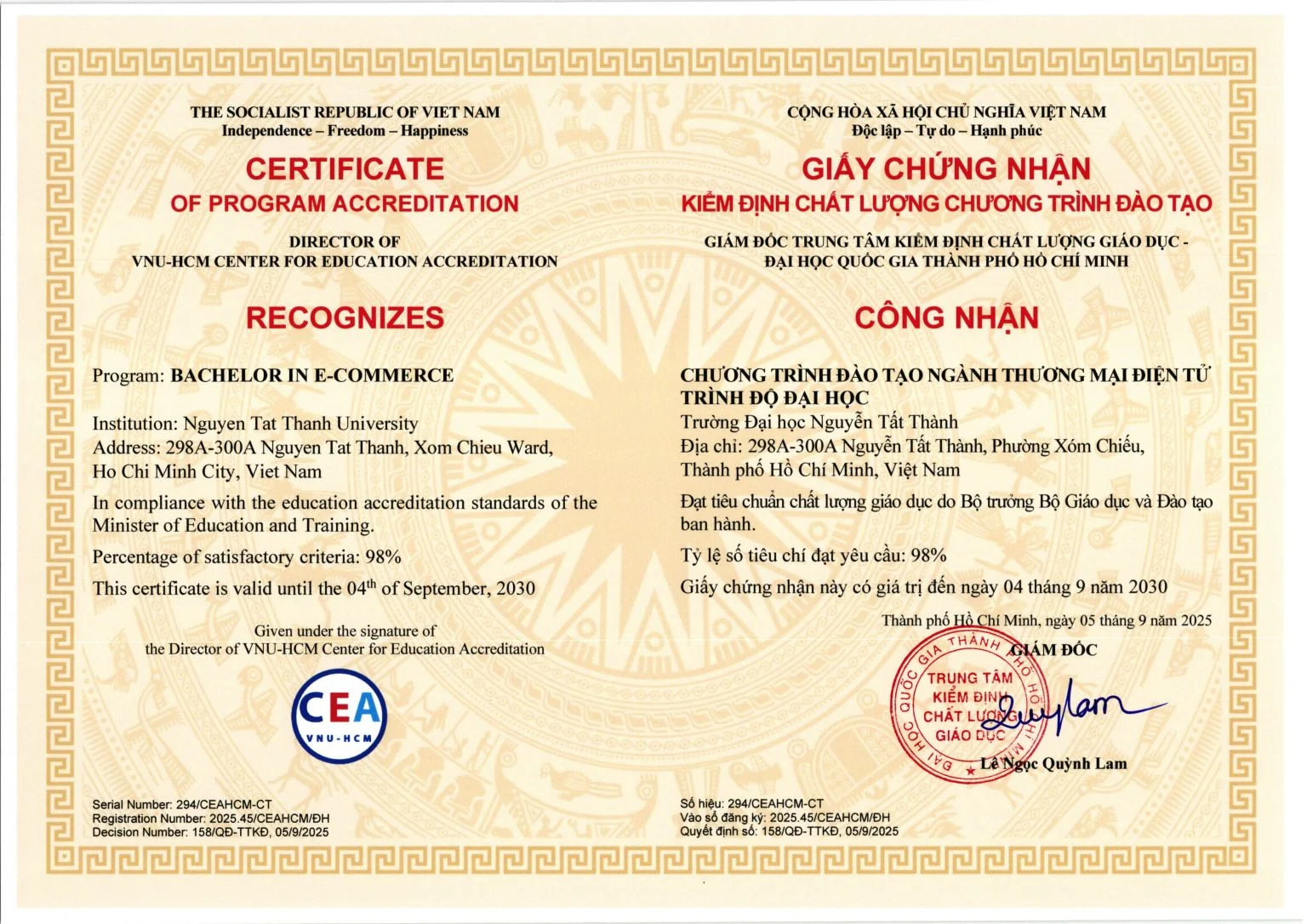
– E-commerce

– International Business

– Human Resource Management

– Economics and Research Methods

The Faculty currently offers 7 Bachelor’s degree programs, 1 Master’s degree program, and 1 Doctoral degree program.

Currently, the Faculty of Business Administration has over 5,500 students, including undergraduate and postgraduate students.

The student organizations include:

– Business Administration Party Branch

– Business Administration Faculty Trade Union

– Business Administration Faculty Youth Union

– Business Administration Faculty Student Association

– Business Enterprises and Faculty Entrepreneurs

The clubs/committees include:

– Business Administration Faculty Entrepreneurship Club

– Business Administration Faculty Alumni Club

– Business Administration Faculty “Be a Leader” Club

– Business Administration Faculty English Club

– Business Administration Faculty Arts and Culture Committee

– Business Administration Faculty Communications Committee

Achievements

Vision 2035

The Faculty of Business Administration will become a prestigious Business School, meeting national, regional, and international standards.

Mission

  • To train high-quality, highly skilled human resources for Vietnam, the region, and the international community;
  • To develop comprehensive competencies for learners in accordance with the school’s educational strategy and philosophy, ensuring international orientation and integration, and creating opportunities for future career advancement;
  • To build a favorable academic environment for lecturers, researchers, students, and trainees in teaching, learning, and research, aspiring to be leaders; fostering creativity and entrepreneurial spirit.

Core Values

Optimal Quality – Meeting Standards – Social Responsibility – Optimal Quality:

Meeting national and international standards in teaching, learning, and scientific research;

Promoting self-learning abilities and an innovative entrepreneurial spirit.

Meeting Standards:

  • Professional ethics, social norms, and the rule of law;
  • Providing high-quality human resources for domestic and international labor markets.

Social Responsibility:

  • Respecting human rights, focusing on the interests of the community and institutions;
  • Ensuring fairness, improving quality of life, and sustainable development.

Development Strategy 2026 – 2030

The Faculty of Business Administration has the following strategic orientations:

  • Improving the quality of learning for students and enhancing their capacity for innovation, application, entrepreneurship, and lifelong learning;
  • Improving the quality of teaching and research by faculty and researchers;
  • Ensuring a favorable academic environment to attract domestic and international faculty, students, and trainees;
  • Collaborating with businesses and research institutes to share knowledge and practical experience with students, in line with the requirements of the domestic and international labor market.

Educational philosophy

The best way to learn business is to conduct business

Slogan

Knowledgeable and highly skilled professionals.